Choosing the right wheel loader is important for construction companies, mining contractors, agricultural businesses, and material-handling operators. Among the most common options in the used construction machinery market are 3-ton wheel loaders and 5-ton wheel loaders. Although both machines are designed for loading and transporting materials, they differ in operating capacity, size, productivity, fuel consumption, and suitable applications.
For buyers comparing a 3-ton vs. 5-ton wheel loader, the best choice depends on the type of materials being handled, daily workload, working environment, and equipment budget. A smaller loader may be more economical for light-duty operations, while a larger machine can offer higher productivity for demanding projects.
In this guide, we explain the main differences between 3-ton and 5-ton wheel loaders and provide practical tips for choosing a suitable used wheel loader.
1. What Is a 3-Ton Wheel Loader?
A 3-ton wheel loader is a medium-small construction machine commonly used for loading, transporting, and moving loose materials over relatively short distances.
It is suitable for operations where maneuverability, flexible working space, and moderate loading capacity are important. Typical applications include small construction sites, agricultural facilities, landscaping projects, and local material yards.
Common tasks include:
- Loading sand, soil, and gravel.
- Moving construction materials.
- Cleaning and maintaining work areas.
- Handling agricultural materials.
- Loading small dump trucks.
- Transporting materials around warehouses and yards.
A 3-ton wheel loader is often preferred by businesses that do not require the larger capacity of heavy-duty loaders.
2. What Is a 5-Ton Wheel Loader
A 5-ton wheel loader is designed for heavier material-handling operations and higher workloads. Compared with a 3-ton model, it generally offers greater rated operating capacity, a larger bucket, and stronger overall loading capability.
These machines are commonly used in construction, mining, quarrying, aggregate production, and large material storage facilities.
تشمل التطبيقات النموذجية ما يلي:
- Loading large quantities of sand and gravel.
- Handling crushed stone and aggregates.
- Loading dump trucks at construction sites.
- Moving bulk materials in mining operations.
- Managing material stockpiles.
- Supporting industrial loading operations.
For businesses that handle large volumes of materials every day, a 5-ton wheel loader may improve productivity by reducing the number of loading cycles required.
3. 3-Ton vs. 5-Ton Wheel Loader: Key Differences
The main difference between these two loader classes is their working capacity and the scale of projects they are designed to support.
The following table provides a general comparison. Actual specifications vary by manufacturer, model, production year, bucket configuration, and operating conditions.
| Comparison | 3-Ton Wheel Loader | 5-Ton Wheel Loader |
|---|---|---|
| سعة الحمولة المقدرة | Around 3 tons | Around 5 tons |
| Machine Size | Generally more compact | Generally larger |
| سعة الدلو | Usually smaller | Usually larger |
| Engine Output | Generally lower | Generally higher |
| استهلاك الوقود | Usually lower per operating hour | Usually higher per operating hour |
| Maneuverability | Better in restricted spaces | Requires more working space |
| Typical Applications | Light to medium-duty work | Medium to heavy-duty work |
| Initial Investment | Generally lower | Generally higher |
هام: Rated load capacity is not the same as bucket capacity or operating weight. Buyers should compare the manufacturer’s actual specifications rather than relying only on the machine’s tonnage classification.
3.1 Loading Capacity and Productivity
The most noticeable difference is loading capability.
A 5-ton wheel loader can generally handle heavier loads than a 3-ton model, making it more suitable for high-volume material handling.
For example, a quarry loading large quantities of crushed stone may benefit from a 5-ton loader because it can move more material per cycle, depending on bucket size and material density.
A 3-ton loader may be more appropriate for smaller projects where loading requirements are moderate.
3.2 Machine Size and Maneuverability
A 3-ton wheel loader is generally easier to maneuver in narrow working areas, smaller construction sites, and agricultural facilities.
A 5-ton wheel loader usually requires more space for turning, loading, and transporting materials.
Before purchasing, consider the width of access roads, turning space, loading areas, and ground conditions at your job site.
3.3 Fuel Consumption and Operating Costs
Fuel consumption depends on engine specifications, machine condition, workload, operator behavior, and working environment.
A 3-ton loader generally consumes less fuel per operating hour than a comparable 5-ton machine. However, this does not automatically mean it has a lower cost per ton of material handled.
If a 3-ton loader needs significantly more loading cycles to complete the same task, a larger machine may offer better overall productivity.
Buyers should compare fuel consumption alongside daily output, maintenance expenses, and operating hours.
3.4 Purchase Price and Maintenance
A 3-ton wheel loader usually has a lower initial purchase price than a 5-ton model.
A 5-ton loader may require a larger investment, but it can be more suitable for businesses that regularly handle heavy materials.
For used wheel loaders, the final price depends on production year, operating hours, engine and transmission condition, tire wear, hydraulic performance, and maintenance history.
The cheapest machine is not necessarily the most economical choice. Buyers should evaluate the total cost of ownership.
4. Which Wheel Loader Is Better for Different Applications?
Choosing between a 3-ton and 5-ton wheel loader depends on the type of work and daily production requirements.
Small Construction Projects
A 3-ton wheel loader may be sufficient for small building projects, landscaping, and general material movement where loading volumes are relatively limited.
Mining and Quarry Operations
A 5-ton wheel loader is generally more suitable for heavier aggregate handling and larger material stockpiles. However, particularly demanding mining operations may require loaders with even higher rated capacities.
Agricultural Operations
For farms and agricultural facilities, a 3-ton loader may provide sufficient flexibility for moving soil, feed, fertilizer, and other materials.
Sand and Aggregate Yards
Businesses handling large quantities of sand, gravel, and crushed stone may benefit from a 5-ton loader because of its higher loading capacity.
Warehouses and Industrial Facilities
The best option depends on the available operating space, material weight, and loading frequency. A smaller machine may be easier to operate in restricted areas, while a larger loader may be more productive in open yards.
5. What to Check Before Buying a Used 3-Ton or 5-Ton Wheel Loader
Buying a used wheel loader can help reduce equipment investment, but a detailed inspection is essential before purchase.
Here are six important inspection points:
- Engine condition: Check cold starting, exhaust smoke, unusual noise, oil leakage, and engine temperature.
- الإرسال: Test forward and reverse gears, shifting response, and driving performance.
- النظام الهيدروليكي: Inspect the hydraulic pump, cylinders, hoses, and lifting functions for leaks or abnormal movement.
- Tires and axles: Check tire wear, cracks, damage, and signs of axle leakage.
- Bucket and frame: Examine the bucket, cutting edge, lift arms, articulation area, and structural components for excessive wear or cracks.
- Operating hours and maintenance: Compare the hour-meter reading with available service records and the overall condition of the machine.
For overseas buyers, it is also advisable to request recent photos, operating videos, machine identification details, and available inspection reports before confirming an order.
6. How to Choose the Right Used Wheel Loader?
Before choosing a used 3-ton or 5-ton wheel loader, consider the following questions:
- What materials will the machine handle?
- How much material needs to be moved each day?
- What is the required loading height?
- How much working space is available?
- What are the local fuel and maintenance costs?
- Are spare parts and repair services accessible in your country?
- Does the machine’s condition justify its asking price?
If your business mainly handles light-duty material movement, a 3-ton wheel loader may provide sufficient capacity with lower initial investment.
If you regularly load heavy materials or operate in large construction and aggregate yards, a 5-ton wheel loader may offer better productivity.
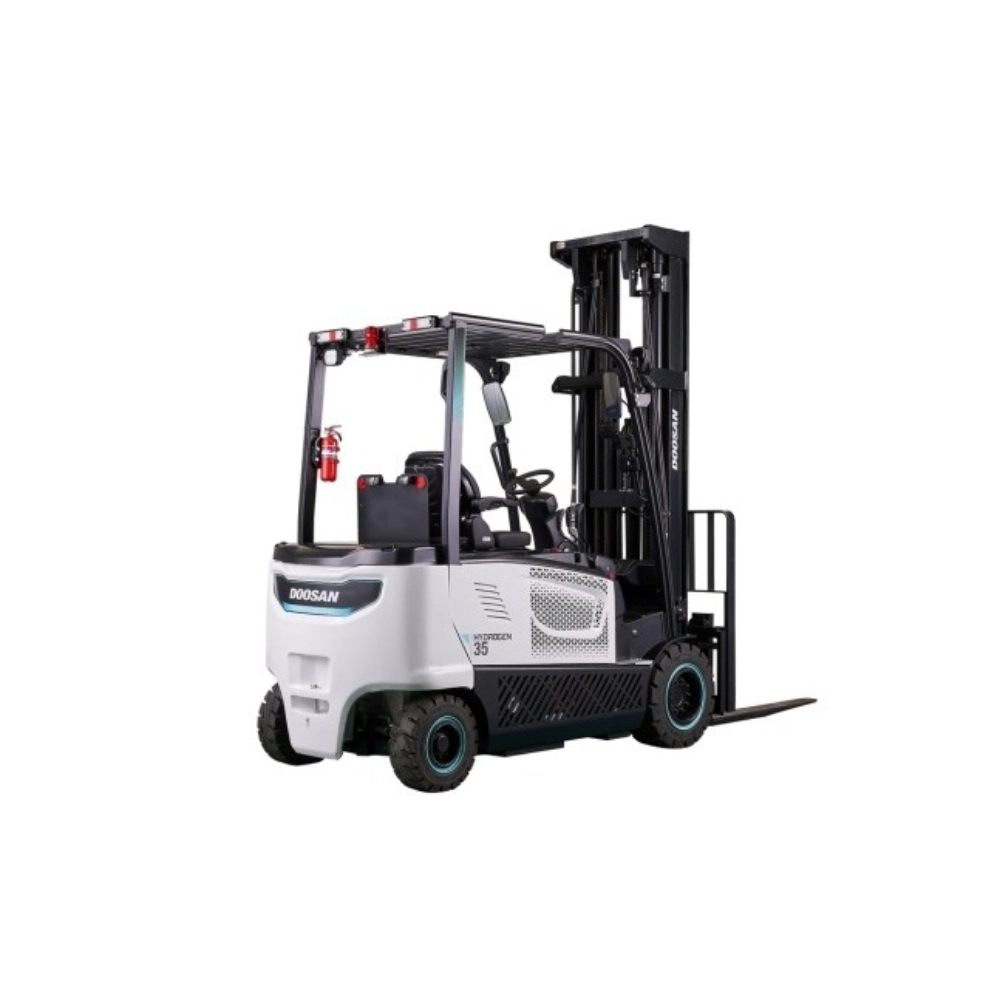
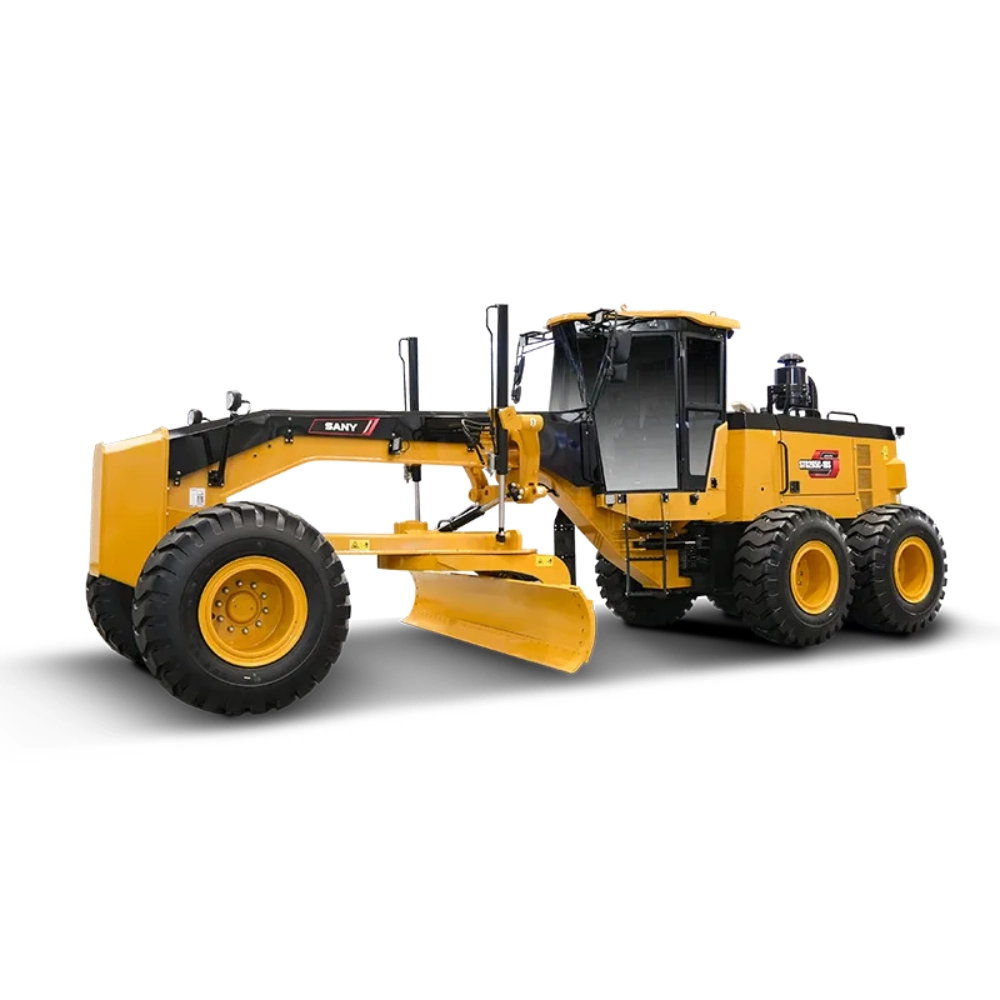
For international buyers sourcing machinery from China, شركة خفيي شينغجيهوي للمعدات الميكانيكية المحدودة. offers access to used construction machinery from globally recognized brands, including Caterpillar, SANY, Hyundai, Volvo, Doosan, and other manufacturers.
With a diverse selection of equipment, Xingjihui aims to help overseas customers find machinery that matches their project requirements and purchasing budgets.
الأسئلة المتداولة
Q1: What is the main difference between a 3-ton and 5-ton wheel loader?
The main difference is rated load capacity. A 3-ton loader is generally suited to smaller and lighter operations, while a 5-ton loader is designed for heavier material handling and higher workloads.
Q2: Does a 5-ton wheel loader consume more fuel than a 3-ton loader?
Generally, yes, because a 5-ton loader usually has a larger engine and greater operating capacity. However, actual fuel consumption depends on the model, machine condition, and workload.
Q3: Which wheel loader is better for a small construction site?
A 3-ton wheel loader may be more suitable for smaller sites because it generally offers better maneuverability and requires less working space.
Q4: Is a used 5-ton wheel loader worth buying?
A used 5-ton wheel loader can be a cost-effective option for businesses with regular heavy material-handling requirements, provided that its engine, transmission, hydraulic system, tires, and structural components are in good condition.
Q5: How do I choose the right bucket capacity?
Bucket capacity should match the material density, rated load capacity, and working requirements. Heavy materials such as crushed stone may require a different bucket configuration from lighter materials such as loose soil.
الخاتمة
The choice between a 3-ton and 5-ton wheel loader depends on your project size, material-handling requirements, working environment, and equipment budget.
A 3-ton wheel loader is generally a practical option for smaller construction projects, agricultural work, and light material handling. A 5-ton wheel loader is usually better suited to larger construction sites, aggregate yards, and heavier loading operations.
When purchasing used equipment, always evaluate the actual machine condition, specifications, maintenance history, and total operating costs.
إذا كنت تبحث عن used wheel loaders for sale in China, شركة خفيي شينغجيهوي للمعدات الميكانيكية المحدودة. can help you explore machinery options from established brands. Contact our team to request available machine details, photos, videos, and a quotation for your next project.