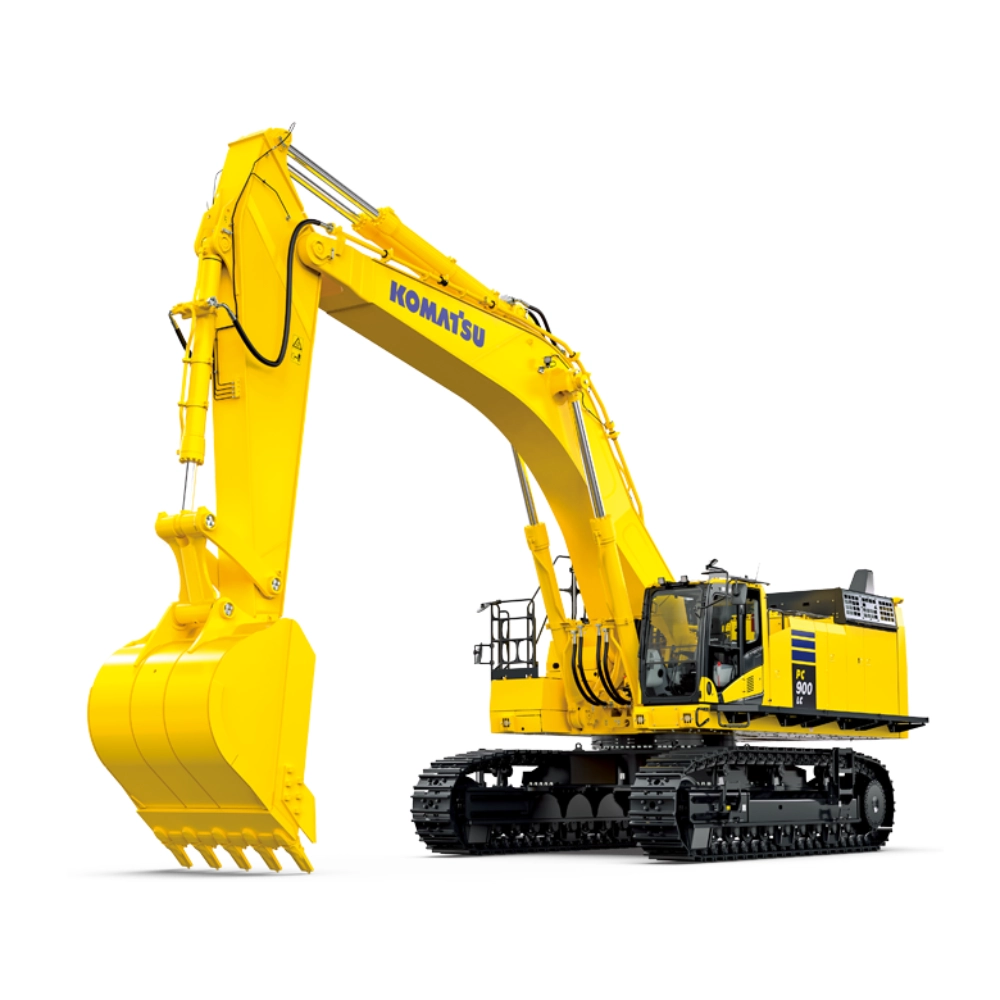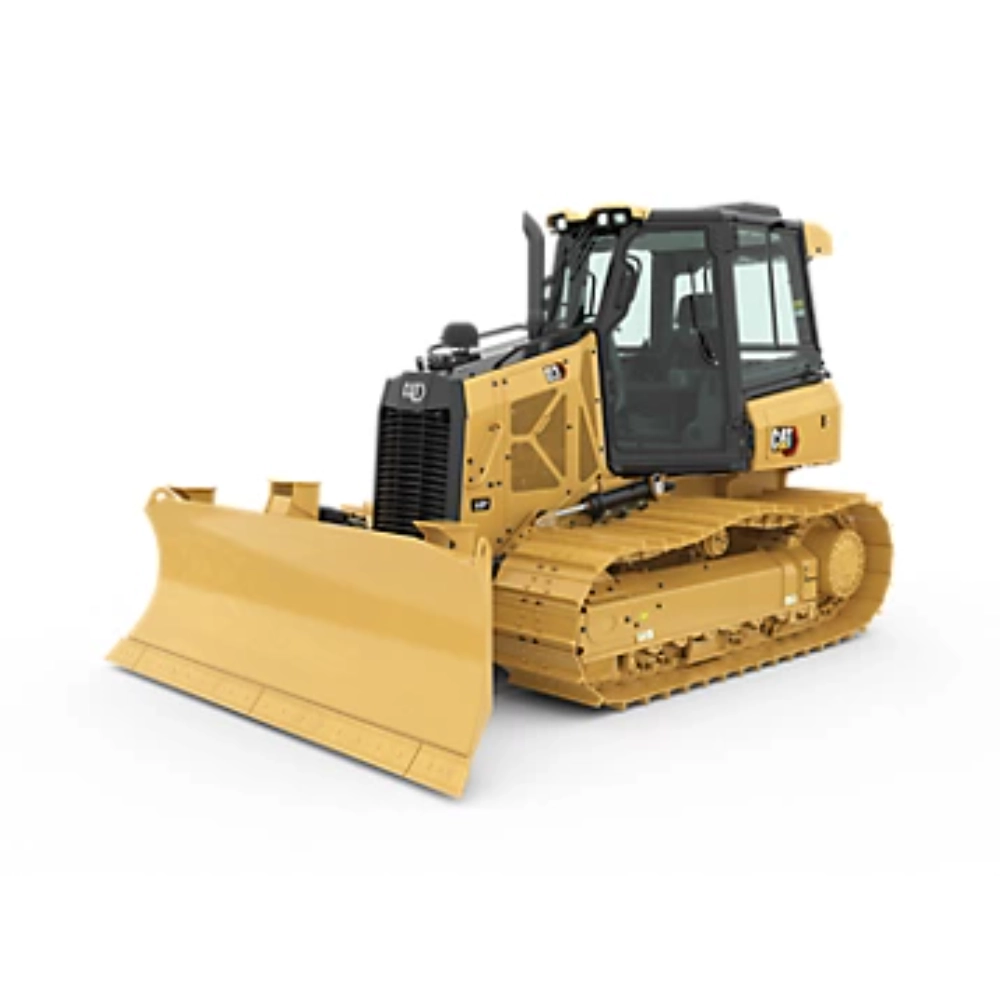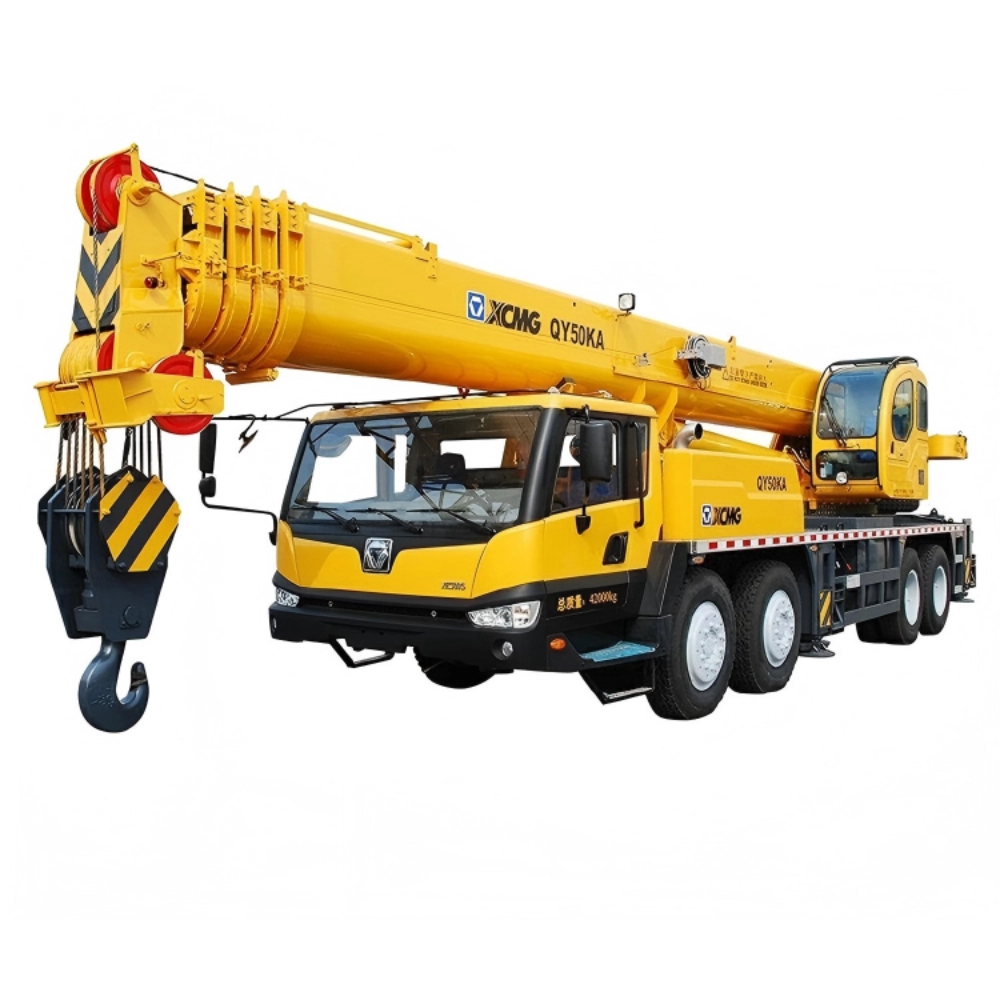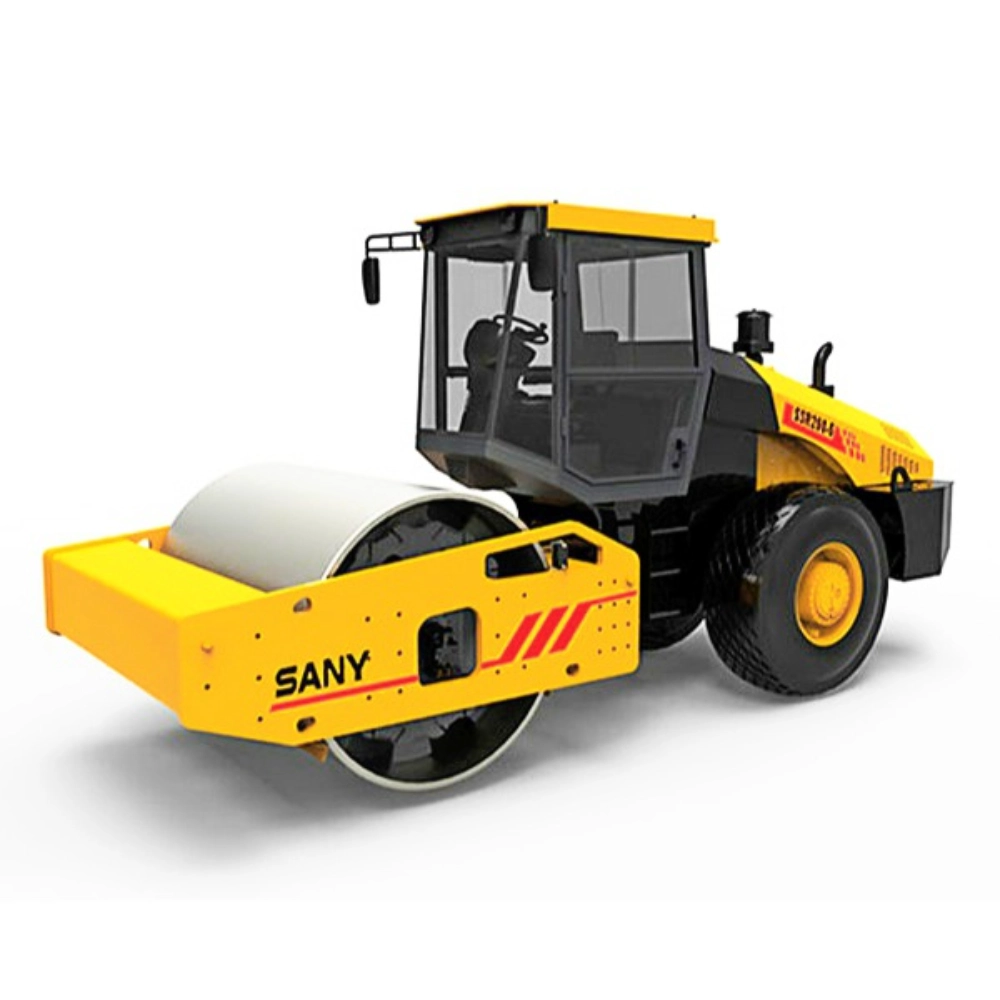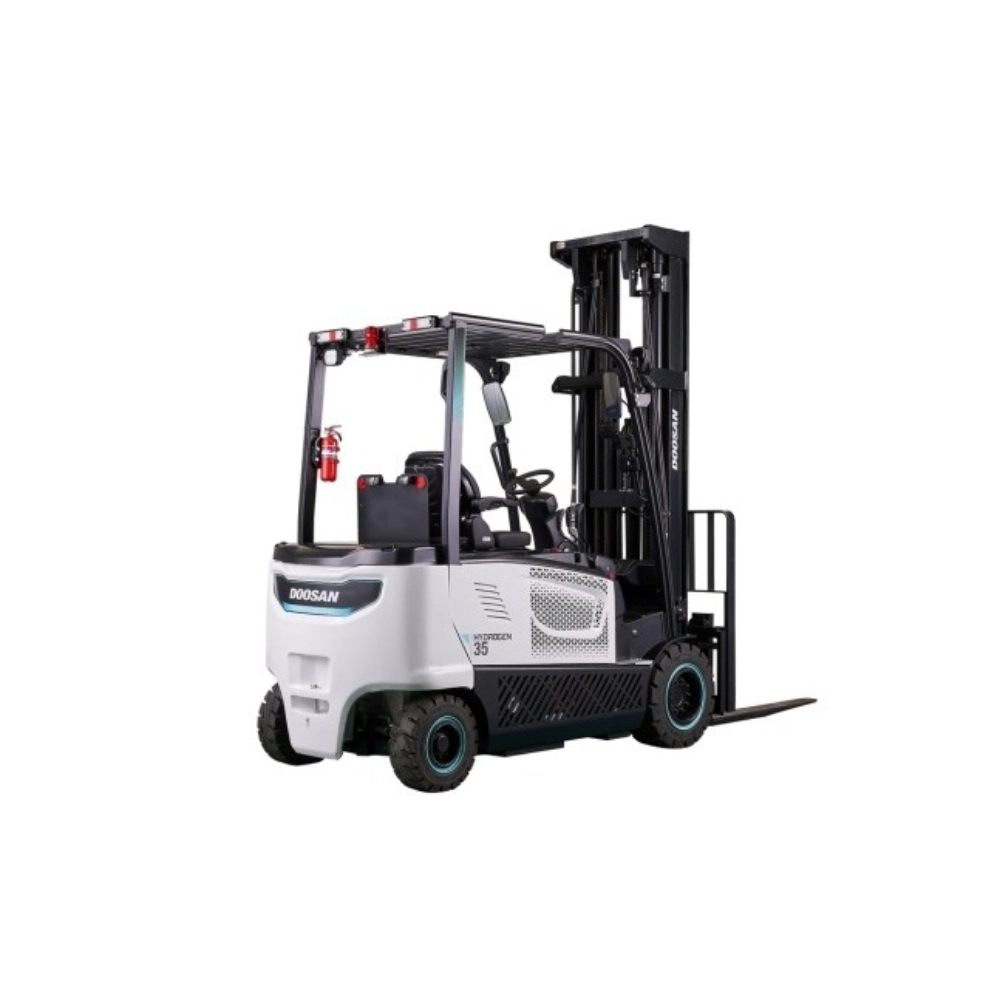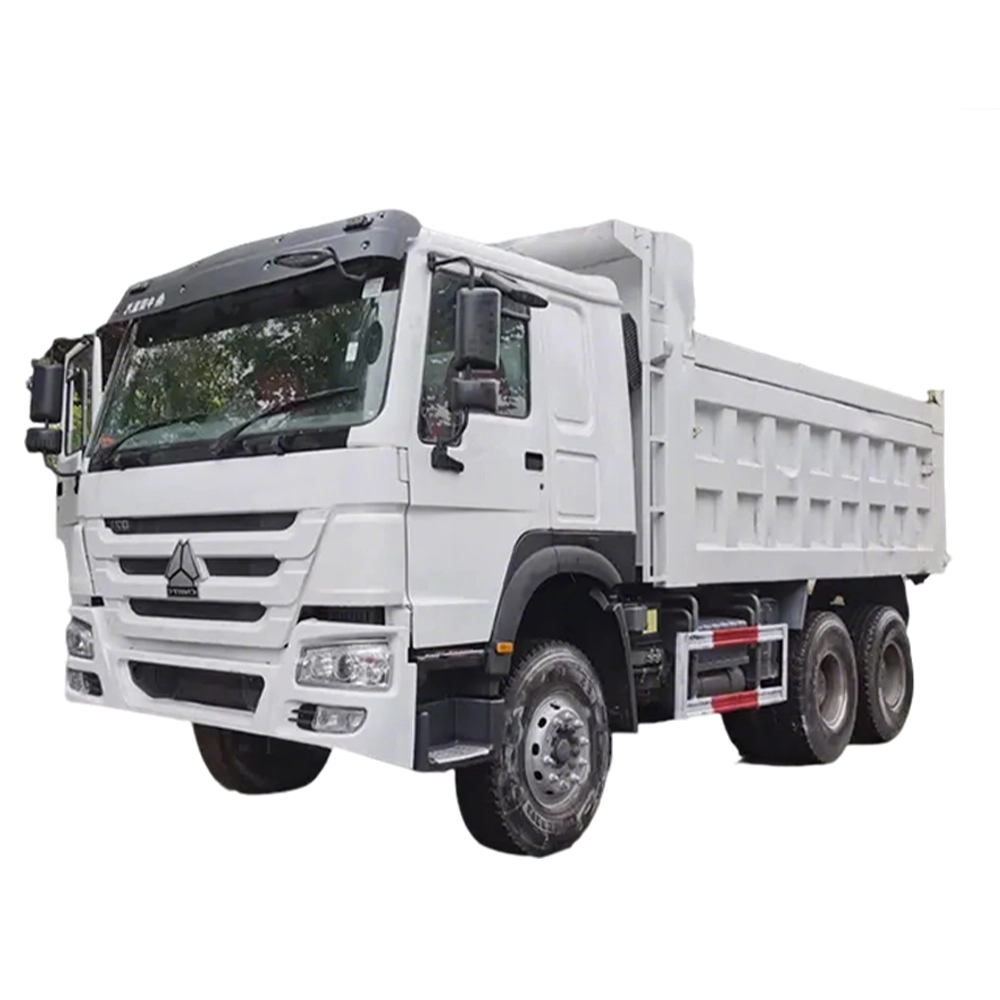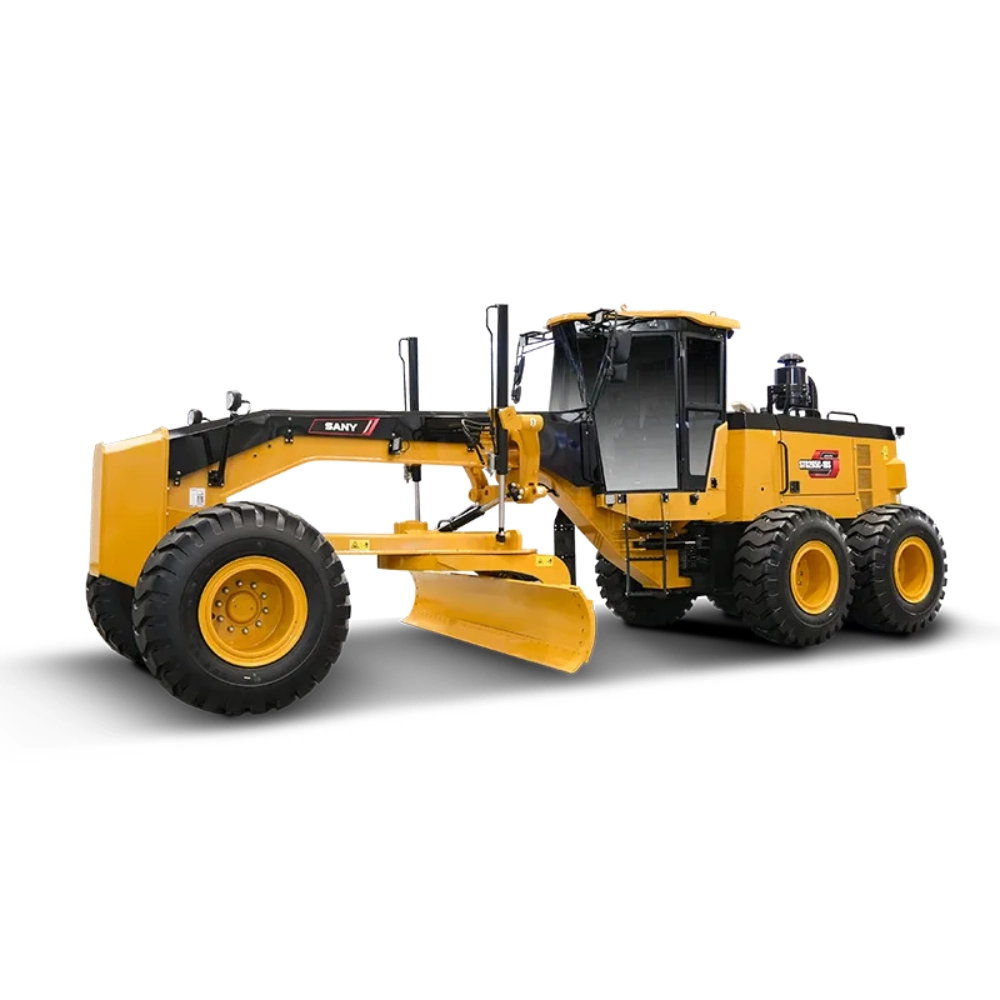
Importing used heavy-duty mining equipment from China has become the most cost-effective procurement solution for global mining contractors, quarry operators, and machinery dealers. Chinese second-hand mining machinery, including used mining excavators, loaders, road rollers, and motor graders from Caterpillar, SANY, Volvo, Hyundai, Doosan, Komatsu, XCMG, and SDLG, features complete models, stable performance, and significant price advantages compared with brand-new units. However, unlike ordinary construction equipment, heavy-duty mining machines operate in high-load, high-wear, and harsh dust environments for a long time. Their internal loss and technical status cannot be judged merely by appearance and working hours.
For overseas importers, ignoring core technical indicators before shipment will lead to severe risks such as low operating efficiency, frequent failures, unqualified customs clearance, and ultra-high post-purchase maintenance costs. To help global buyers avoid procurement pitfalls, Hefei Xingjihui Mechanical Equipment Co., Ltd. sorts out the most authoritative and practical technical inspection indicators for imported used mining equipment. As a professional China-based used mining machinery exporter, we strictly implement international pre-shipment inspection standards for all in-stock heavy-duty equipment to ensure every exported machine meets global mining operation and customs supervision requirements.
1. Authentic Equipment Identity & Basic Parameter Verification (Must-Check for Customs Clearance)
The first step in importing used heavy-duty mining equipment is to verify the authenticity and parameter consistency of the machine, which is the premise of smooth customs clearance and legal operation in destination countries. Many overseas buyers only confirm the model and price but ignore identity parameter matching, resulting in customs detention and return of goods.
Core inspection indicators include the machine’s serial number, engine number, factory configuration parameters, and tonnage grade. You must cross-check the physical data of the equipment with factory original documents, export invoices, and inspection reports to ensure no modification, model falsification, or parameter mismatch. For mining-specific equipment, confirm whether the machine supports heavy-duty (HD) mining configuration. Ordinary engineering machinery lacks reinforced chassis and wear-resistant structures, which cannot adapt to long-term open-pit mining operations even if the appearance is intact.
Hefei Xingjihui strictly screens all export equipment. Every used mining excavator, loader, and bulldozer is equipped with complete original factory parameter files and identity certification reports, eliminating modified and assembly machines and ensuring 100% document compliance for global customs clearance.
2. Working Hours & Actual Wear Calibration (Core Reference for Service Life)
Working hours are the most intuitive indicator to evaluate the aging degree of pre-owned mining equipment, but the hour meter data of second-hand machines on the market may be tampered with. Therefore, buyers must calibrate the actual wear status through multiple auxiliary technical indicators instead of relying solely on digital readings.
First, check the engine startup status and exhaust color. Low-hour well-maintained mining engines start smoothly without black smoke, blue smoke, or abnormal noise during idle and accelerated operation. Second, detect the wear degree of pin shafts, bushings, and boom connection parts. Mining equipment with excessive working hours will have obvious gaps and loose shaking at the hinge joints, which directly affects construction stability. Third, observe the chassis and undercarriage wear. Crawler mining excavators and bulldozers with long-term mining operation have severely worn track shoes, rollers, and sprockets, which is an unalterable physical wear feature.
We recommend buyers prioritize low-hour used mining machinery with complete maintenance records. Hefei Xingjihui provides real working hour calibration reports and component wear detection data for all equipment, allowing buyers to accurately judge the remaining service life of the machine.
3. Engine Power & Fuel System Technical Indicators (Power Core Inspection)
The engine is the power core of heavy-duty mining equipment, and its power output, fuel consumption status, and operational stability determine the long-term profitability of mining projects. Different from ordinary construction scenarios, mining operations require continuous high-load work, so engine performance indicators need stricter inspection standards.
Key technical indicators include rated power output, torque stability, fuel injection system accuracy, and cooling system operating status. Qualified used mining engines need to maintain stable power output under full-load mining conditions without power attenuation and stalling. At the same time, check for oil leakage, water leakage, and carbon deposition inside the engine. Excessive carbon deposition will lead to increased fuel consumption and reduced power, greatly raising the operating cost of mining projects.
For mainstream brand equipment such as Caterpillar, Komatsu, Volvo, and SANY mining excavators, our inspection team will conduct full-load power tests before shipment to verify whether the engine performance meets the factory standard parameters, ensuring that the machine adapts to harsh high-intensity mining working conditions.
4. Hydraulic System Pressure & Operating Accuracy Indicators
The hydraulic system is the core working system of mining excavators, loaders, and graders, and its technical status directly determines digging efficiency and operation safety. Most second-hand mining equipment failures in overseas projects stem from aging hydraulic systems and insufficient pressure.
Key inspection indicators include main pump pressure, pilot pressure, relief valve calibration accuracy, and hydraulic cylinder sealing performance. The standard pilot pressure of mainstream mining excavators is maintained at 35-40 Bar to ensure sensitive and smooth joystick operation. The main pump needs to maintain stable pressure output under rock digging and heavy-load loading conditions without pressure drop and action lag. In addition, check all hydraulic pipelines and sealing parts for oil leakage, aging, and damage. Slight hydraulic leakage will gradually expand under long-term mining vibration and eventually cause equipment shutdown and maintenance.
Hefei Xingjihui conducts professional hydraulic pressure calibration and full-action simulation tests for all used heavy-duty mining equipment to eliminate machines with insufficient hydraulic power and aging pipelines, ensuring stable and efficient operation in open-pit mines and quarries.
5. Structural & Undercarriage Load-Bearing Indicators (Safety Inspection)
Mining equipment bears huge impact load and gravity pressure during operation, so the structural firmness and undercarriage wear indicators are key safety inspection items that cannot be ignored. Different from ordinary construction machinery, mining machines have higher requirements for chassis rigidity and structural stability.
Structural inspection focuses on the boom, stick, bucket base, and main frame. Check for hidden cracks, secondary welding traces, and structural deformation. Equipment with repair welding cracks will have serious safety hazards under continuous mining impact load, and the service life will be greatly reduced. The undercarriage inspection includes track chain tightness, roller rotation flexibility, idler wear, and track shoe deformation. Excessively worn undercarriage will cause unstable walking and increased construction vibration, affecting overall operating efficiency.
Our team strictly screens the structural integrity of all mining equipment, completely eliminating deformed, cracked, and heavily worn machines to ensure that each exported equipment meets international mining safety operation standards.
6. Electrical System & Intelligent Control Indicators
Modern heavy-duty mining equipment is equipped with intelligent electronic control systems, which monitor engine status, hydraulic pressure, and fault codes in real time. Electrical system failure is a common hidden problem of second-hand equipment. Buyers need to check the instrument panel display, fault code records, sensor sensitivity, and circuit aging status.
Clear fault codes that cannot be eliminated represent potential equipment failures, which will trigger frequent alarms during mining operation and affect normal construction. At the same time, check the aging degree of the circuit harness and the sensitivity of the control system to ensure that the intelligent monitoring system can work normally, providing real-time fault early warning for mining operations.
7. Industry Compliance & Environmental Protection Technical Indicators
Global countries have strict access standards for imported heavy-duty machinery in terms of environmental protection, energy consumption, and safety. Before importing used mining equipment from China, buyers need to confirm whether the equipment’s emission standards, energy consumption indicators, and safety protection configurations comply with local industry regulations.
Hefei Xingjihui strictly selects equipment that meets international emission and energy consumption standards, provides complete pre-shipment inspection certificates and compliance documents, and helps overseas buyers pass local customs inspection and industry filing smoothly, avoiding equipment detention and operational restrictions caused by non-compliant technical indicators.
Why Choose Hefei Xingjihui for Importing Chinese Used Mining Equipment
As a professional Chinese exporter of used construction and mining machinery, we cover full-range mainstream brand equipment including Caterpillar, SANY, Hyundai, Volvo, Doosan, Komatsu, XCMG, Kubota, Kobelco, and SDLG. Our product portfolio includes mining excavators, wheel loaders, road rollers, motor graders, and forklifts, fully meeting the needs of open-pit mining, quarry exploitation, and mineral infrastructure construction.
Different from ordinary suppliers, we take the lead in implementing full technical indicator inspection for all export equipment. From identity parameter verification, engine power testing, hydraulic pressure calibration to structural safety detection, every link has strict inspection standards and detailed test reports. We help global buyers accurately screen high-quality mining equipment, avoid hidden maintenance costs and operational risks, and provide one-stop export services including equipment selection, technical consultation, quality inspection, and cross-border logistics.
Conclusion
Importing high-quality used heavy-duty mining equipment from China cannot rely solely on price and appearance judgment. Systematic inspection of core technical indicators such as equipment identity parameters, engine power, hydraulic performance, structural safety, electrical system status, and industry compliance is the key to ensuring stable equipment operation and long-term project profitability. Standardized technical screening can effectively avoid procurement risks, reduce post-purchase failure rates and maintenance costs, and maximize the return on investment of mining projects.
If you are looking for reliableused heavy-duty mining equipment for import and need complete technical parameter reports and pre-shipment inspection videos, welcome to contact Hefei Xingjihui Mechanical Equipment Co., Ltd. We provide professional customized equipment matching and technical consulting services for global mining contractors and machinery dealers.