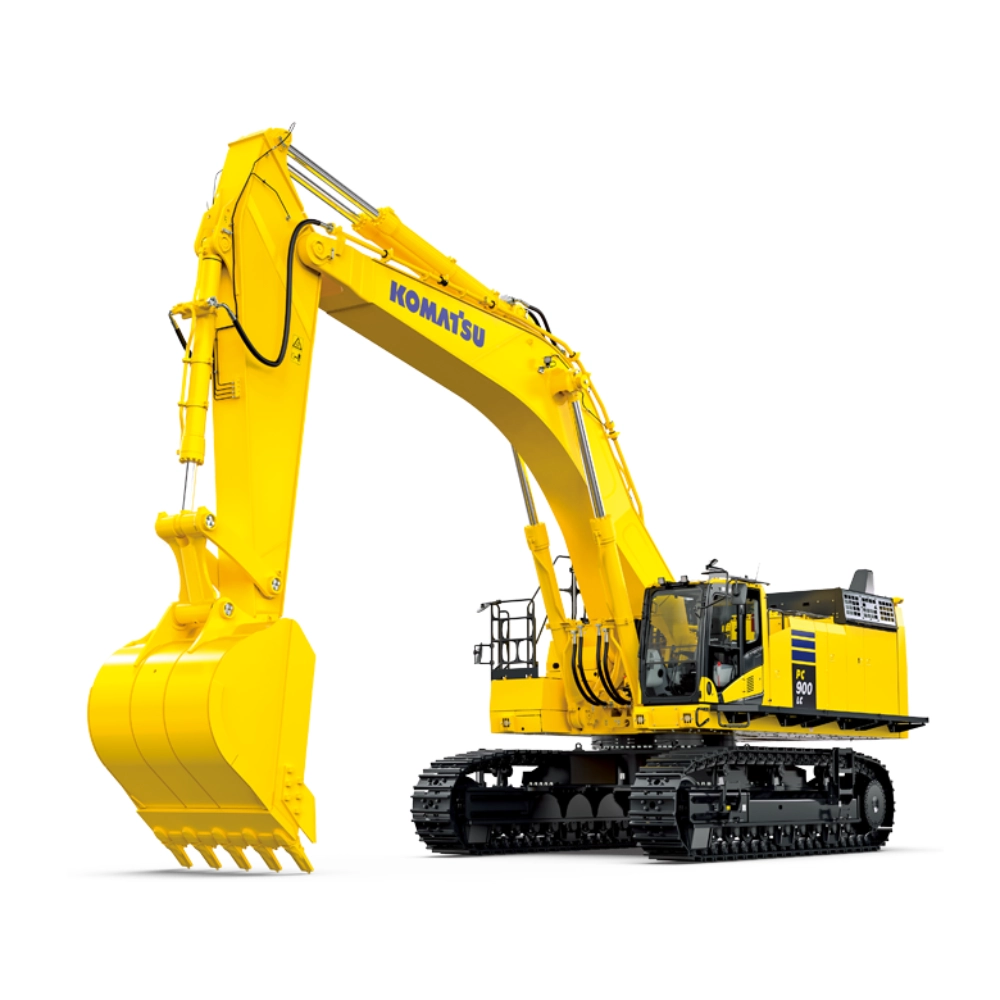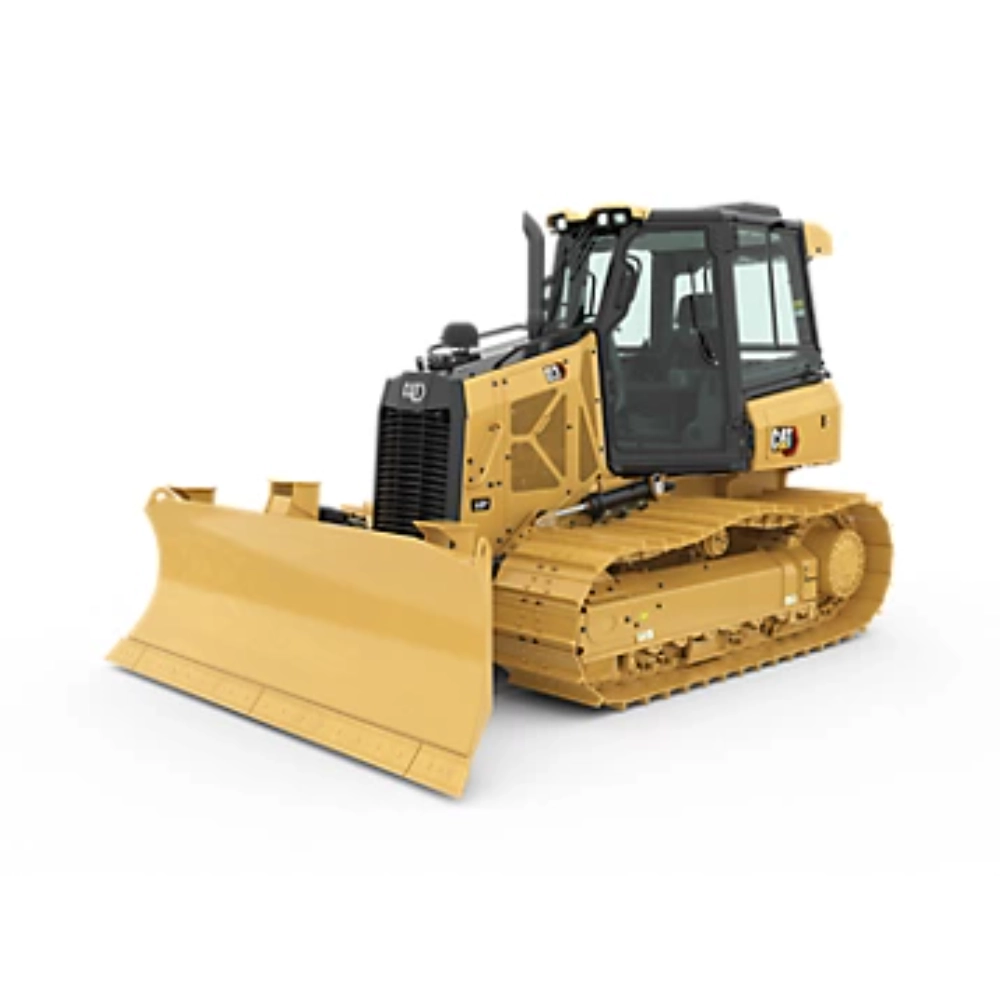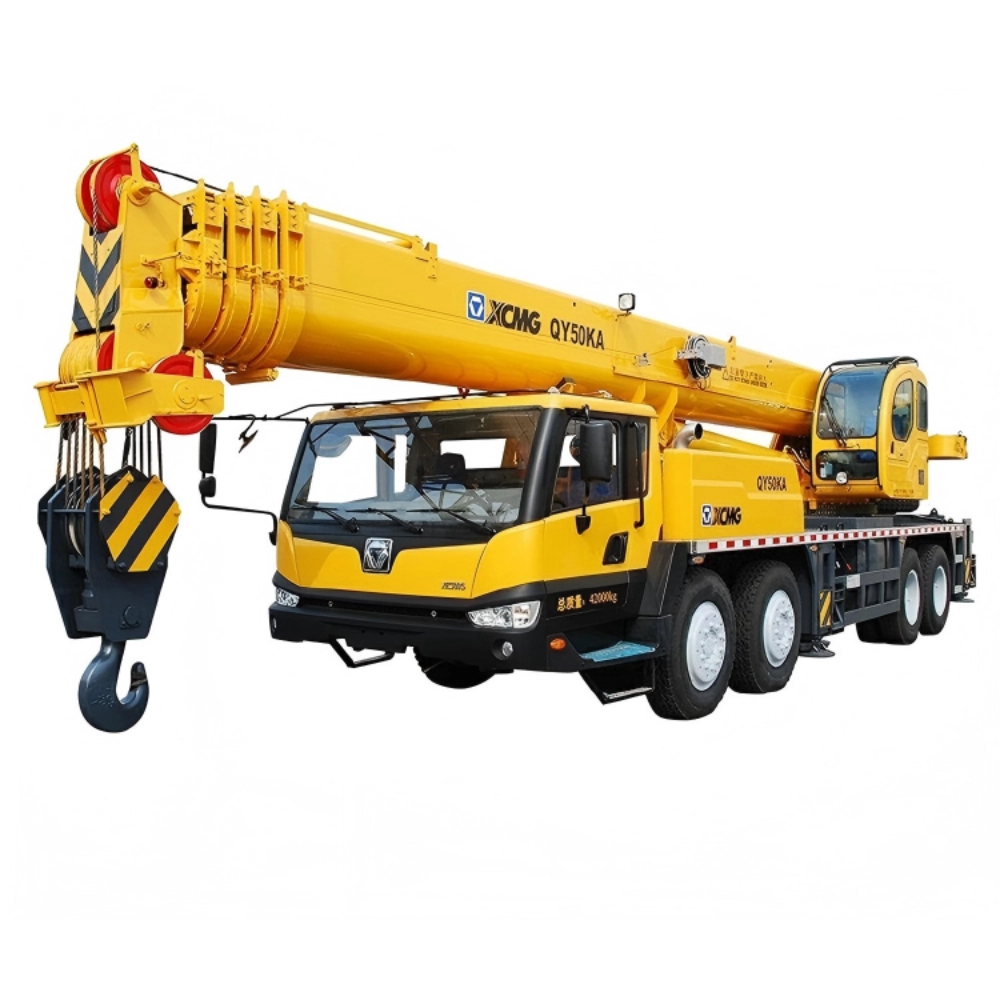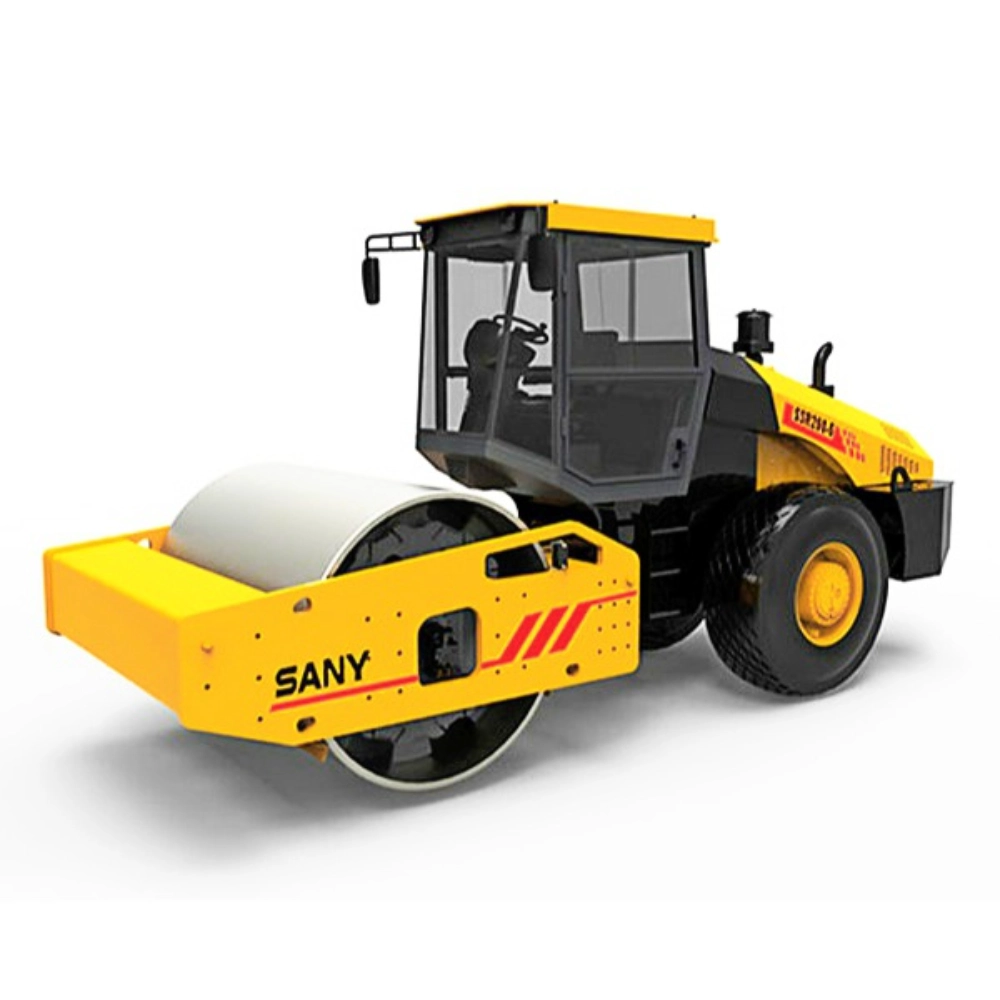
For global construction contractors, mining operators, and machinery dealers sourcing used excavators for sale, tonnage and bucket size matching is the most overlooked yet decisive factor for on-site productivity. Many buyers prioritize low prices and famous brands but ignore the compatibility between excavator weight class, bucket capacity, and actual working conditions, resulting in low construction efficiency, excessive fuel consumption, frequent equipment wear, and even safety hazards. Whether you are undertaking road building, open-pit mining, or building demolition projects, precise matching of tonnage and bucket size can maximize machine utilization and optimize project profit margins.
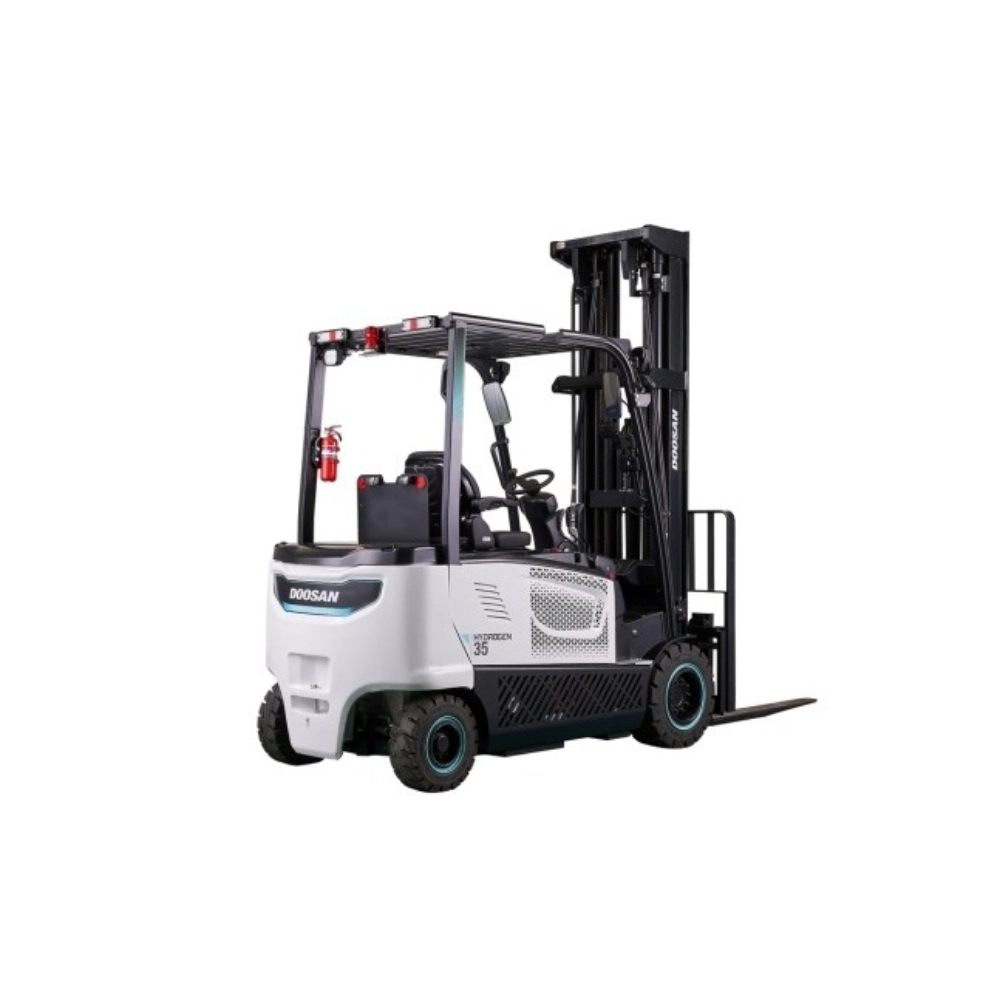
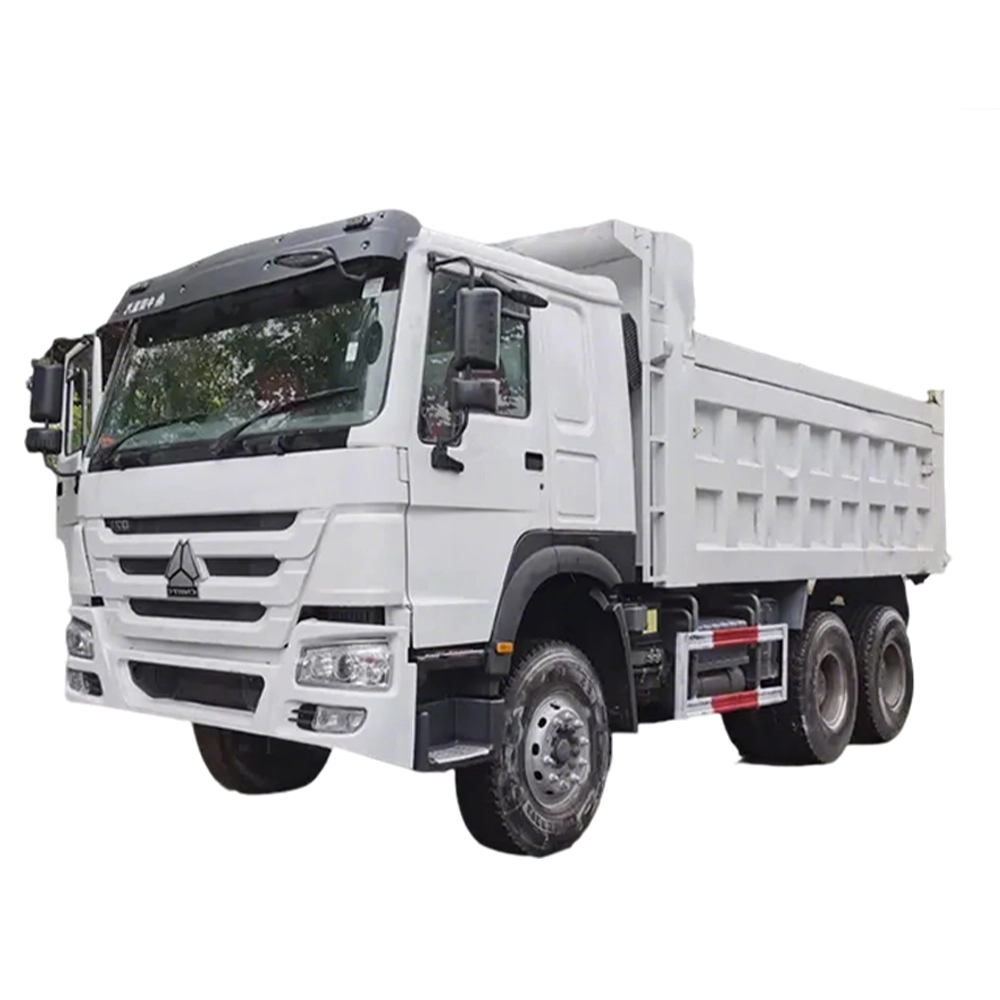
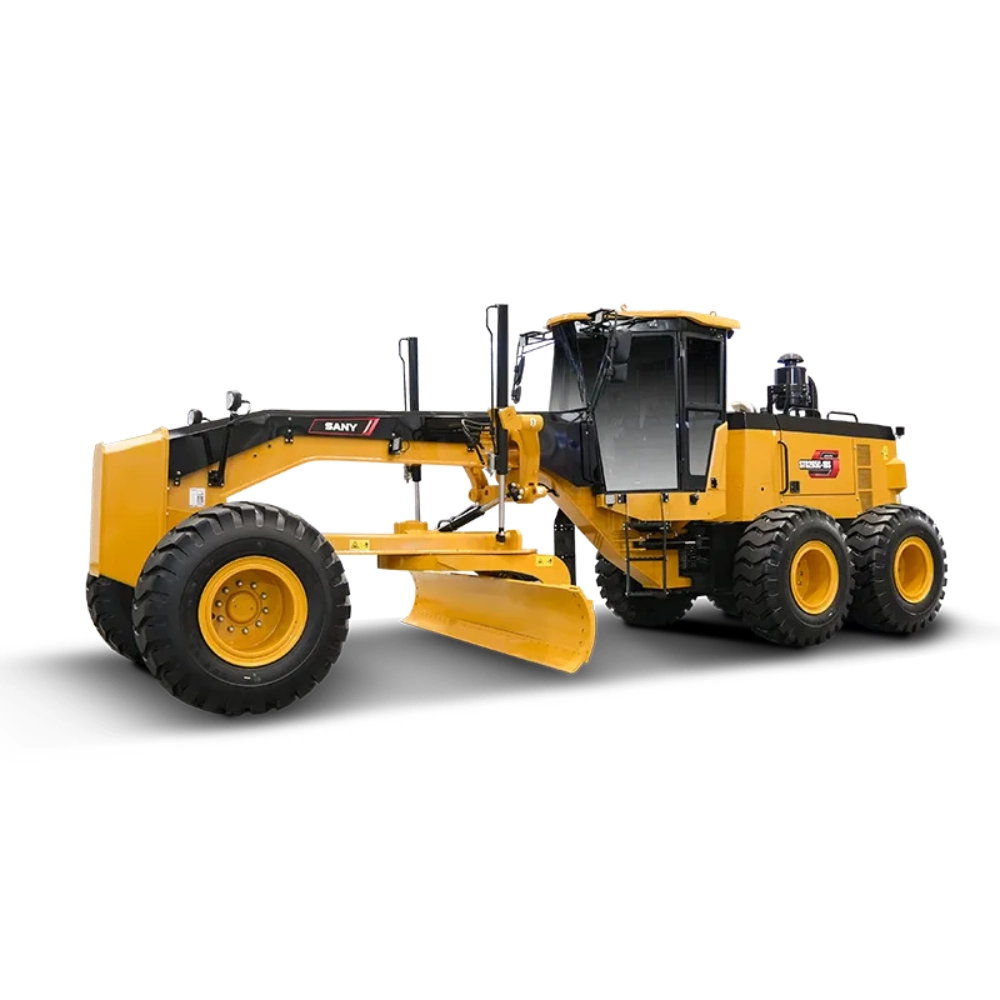
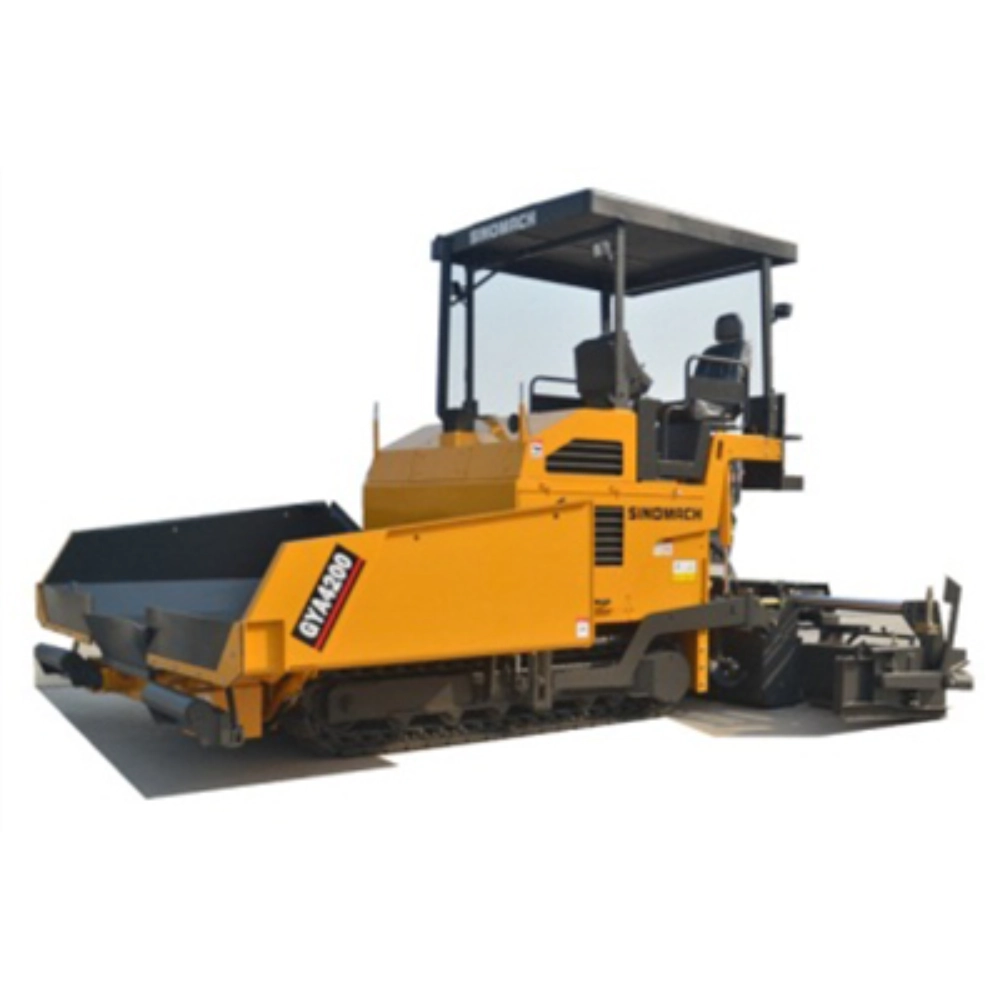
Hefei Xingjihui Mechanical Equipment Co., Ltd. is a professional China-based exporter of high-quality used construction machinery, offering a full range of pre-owned excavators, loaders, road rollers, motor graders, and forklifts. Our inventory covers mainstream global brands including Caterpillar, SANY, Hyundai, Volvo, Doosan, Komatsu, XCMG, Kubota, Kobelco, and SDLG. All machines undergo strict factory-level inspections to meet international industry standards, providing reliable, cost-effective equipment solutions for global clients engaged in road infrastructure, mining exploitation, and building demolition projects. This guide will systematically explain how to select the optimal excavator tonnage and bucket size for three core working scenarios, helping overseas buyers make data-driven procurement decisions.
Core Logic: Why Tonnage and Bucket Size Matching Matters
Excavator tonnage (operating weight) determines the machine’s stability, breakout force, hydraulic load capacity, and bearing limit, while bucket size and type directly control single-cycle loading volume, digging efficiency, and material adaptability. The two parameters are mutually restricted and must fully match the hardness of working materials, operation space, and construction intensity of different projects.
A common mistake for buyers of pre-owned mining and construction excavators is blindly pursuing large bucket capacity. An oversized bucket for a small-tonnage excavator will cause hydraulic system overload, slow operation response, and severe boom and arm wear, greatly shortening machine service life. Conversely, a undersized bucket on a large excavator leads to low single-cycle efficiency, wasted power output, and increased overall construction costs. According to industry standard ISO 10265:2021, the ideal bucket fill factor for engineering operations is 85%-100%, which can only be achieved through scientific tonnage and size matching to ensure optimal working efficiency.
Different from new machines, low-hour used excavators have slight aging of hydraulic components and chassis structures. Therefore, stricter matching standards are required to avoid accelerated equipment loss caused by improper configuration. As a professional Chinese machinery exporter, Hefei Xingjihui provides professional parameter matching suggestions for all sold machines based on project scenarios.
1. Tonnage & Bucket Size Matching for Road Building Projects
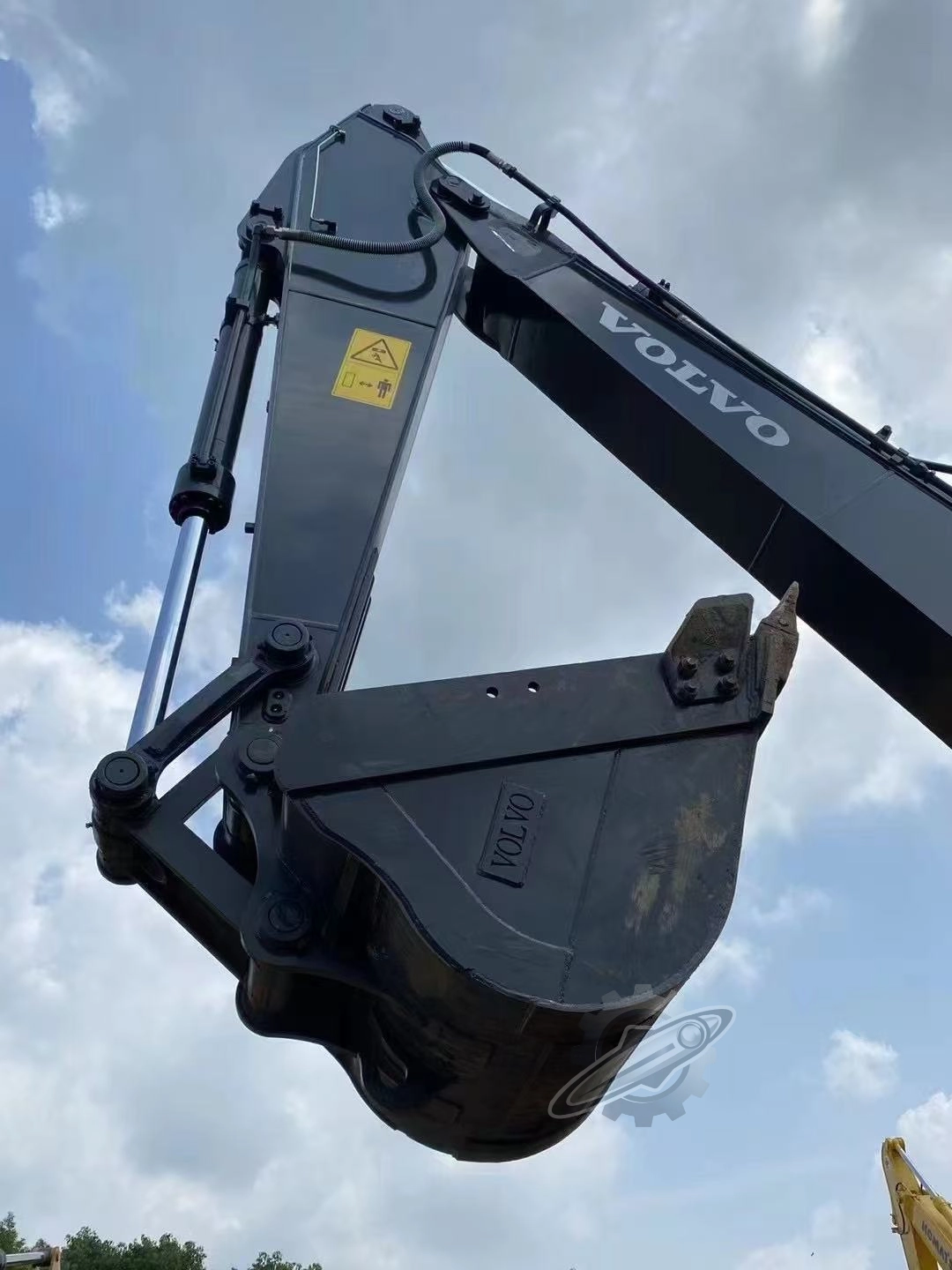
Road building projects include foundation earthwork, trench excavation, slope finishing, roadbed compaction, and auxiliary demolition works, featuring complex working conditions, frequent operation switching, and high requirements for machine flexibility and stability. The working materials are mainly loose soil, gravel, and medium-hard mixed materials, which belong to medium-light load continuous operation scenarios.
Recommended Excavator Tonnage Range
For municipal road renovation and narrow road construction: 6–15 ton small and medium excavators (Kubota, SANY, Hyundai, Doosan compact models). These lightweight machines feature flexible maneuverability, low ground pressure, and adapt to narrow construction spaces and urban road foundation works. For highway and large-scale roadbed earthwork: 20–30 ton medium excavators (Caterpillar 320D, Komatsu PC220, SANY SY215C). This tonnage class balances power and efficiency, fully meeting large-volume earthmoving and slope trimming demands.
Optimal Bucket Size & Type
6–15 ton excavators match 0.1–0.5 m³ standard grading buckets, suitable for fine trenching, road edge finishing, and small-area earth backfilling. 20–30 ton road-building excavators adapt to 0.8–1.2 m³ standard earthmoving buckets, with a fill factor maintained at 90%–100%, ensuring efficient continuous earthwork without material spillage. For gravel roadbed construction with slightly hard materials, medium-duty wear-resistant buckets are recommended to reduce bucket tooth wear.
Purchasing Tip: When selecting used road construction excavators, prioritize models with flexible hydraulic control systems. Volvo and SANY medium excavators have outstanding fuel-saving performance in long-term continuous road construction, while Hyundai and Doosan models have cost-effective maintenance, ideal for long-cycle road engineering projects.
2. Tonnage & Bucket Size Matching for Mining Working Conditions
Open-pit mining and quarrying are heavy-load, high-intensity working scenarios, with working materials including hard rock, blasted ore, and compacted overburden soil. The core demands are strong digging force, high load-bearing capacity, and durable wear resistance, which put forward extremely high requirements for excavator tonnage and bucket configuration.
Recommended Excavator Tonnage Range
For small quarries and overburden stripping: 30–40 ton large excavators (XCMG, SDLG, Doosan heavy-duty models). For large-scale open-pit mining and ore loading: 40–50+ ton super-large excavators (Caterpillar 336D, Komatsu PC450). Heavy-tonnage excavators have robust chassis structures and strong breakout force, which can cope with high-strength rock digging and heavy-load loading operations, avoiding machine jitter and instability caused by hard materials.
Optimal Bucket Size & Type
Different from road construction, mining scenarios do not pursue maximum bucket capacity blindly. 30–40 ton mining excavators are matched with 1.5–2.0 m³ heavy-duty rock buckets, while 40+ ton models adapt to 2.5–3.5 m³ reinforced rock buckets. Made of HARDOX wear-resistant steel, these buckets are equipped with reinforced bucket teeth and side plates, effectively resisting impact and wear from hard rock and ore.
Critical Matching Rule: The bucket fill factor for mining operations should be controlled at 85%–90%. Excessively large buckets will increase hydraulic system load, cause long-term overload operation, and accelerate the aging of main pumps and engines of used mining excavators. All mining machines supplied by Hefei Xingjihui undergo strict hydraulic pressure and load-bearing testing to ensure stable operation in harsh mining environments.
3. Tonnage & Bucket Size Matching for Demolition Working Conditions
Building demolition, concrete crushing, and waste material cleaning are impact-intensive and irregular working conditions, with complex materials including concrete blocks, steel residues, and mixed construction waste. The working process requires frequent impact crushing, digging, and waste loading, putting forward high requirements for machine structural rigidity and bucket impact resistance.
Recommended Excavator Tonnage Range
For indoor and narrow-space small building demolition: 5–8 ton mini excavators (Kubota, Kobelco compact excavators), with flexible body size to adapt to narrow construction spaces. For urban high-rise building demolition and large-area concrete crushing: 20–35 ton medium and large excavators (Caterpillar, Volvo, SANY heavy-duty models), with strong structural stability to resist impact vibration generated by demolition operations.
Optimal Bucket Size & Type
Mini demolition excavators use 0.2–0.3 m³ reinforced narrow buckets, which are convenient for precise crushing and residual material cleaning. 20–35 ton demolition excavators are equipped with 0.9–1.5 m³ heavy-duty anti-impact buckets, which can withstand frequent impact loads from concrete and brick residues. It is worth noting that demolition operations need to be equipped with matching crushing hammers and ripper teeth, and the bucket size must reserve a 10%–15% safety margin to avoid structural damage caused by instantaneous impact overload.
Common Matching Mistakes to Avoid for Used Excavators
Many global buyers encounter low efficiency and frequent failures after purchasingused heavy construction machinery, mostly due to incorrect tonnage and bucket matching. We summarize three most common mistakes for reference:
First, small tonnage with large bucket. Many buyers pursue high loading efficiency and install oversized buckets on 20-ton and below medium and small excavators, resulting in insufficient hydraulic power, slow operation, and severe boom deformation in the long run. Second, large tonnage with small bucket for light work. Using 40-ton+ large excavators for municipal road fine construction causes serious waste of fuel and power, greatly increasing project operating costs. Third, universal bucket application. Using standard soil buckets for rock mining and demolition will lead to rapid wear of bucket teeth and plate deformation, increasing maintenance costs.
Professional Custom Matching Service from Hefei Xingjihui
As a reliable China used construction machinery exporter serving global clients, Hefei Xingjihui has a complete inventory of 1–50 ton used excavators and various specification buckets, covering all mainstream brands and working scenario demands. We do not adopt one-size-fits-all sales mode. According to clients’ specific project types, working materials, construction space, and budget, our professional team provides one-to-one tonnage and bucket size matching solutions.
All our used excavators, loaders, road rollers, and motor graders undergo full-process quality inspection, with complete parameter reports and operation records. We strictly screen low-hour used excavators with stable performance, eliminate modified and faulty equipment, and ensure every machine can perfectly adapt to road building, mining, demolition and other complex working conditions, helping global buyers reduce procurement risks and maximize return on investment.
Conclusion
The scientific matching of used excavator tonnage and bucket size is the core premise to ensure on-site construction efficiency, reduce operating costs, and extend equipment service life. Road building suits medium and small tonnage excavators with standard earthmoving buckets for flexible and efficient continuous operation; mining projects require heavy-tonnage excavators matched with reinforced rock buckets to cope with heavy-load hard material operation; demolition working conditions need graded tonnage configuration and anti-impact buckets to adapt to complex impact operations.
When sourcing used excavators for export, global B2B buyers should not only focus on brand price and appearance, but also select equipment based on actual working conditions and parameter matching. If you need professional equipment matching consultation, detailed machine parameter sheets, and real inspection videos, welcome to contact Hefei Xingjihui Mechanical Equipment Co., Ltd. We will provide customized high-quality used machinery solutions for your projects.